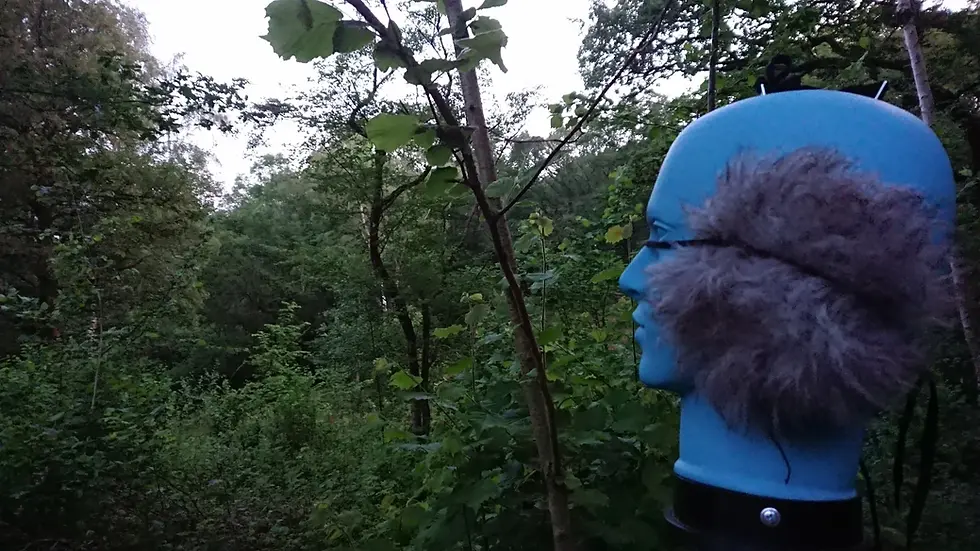
Building a Binaural Dummy Head
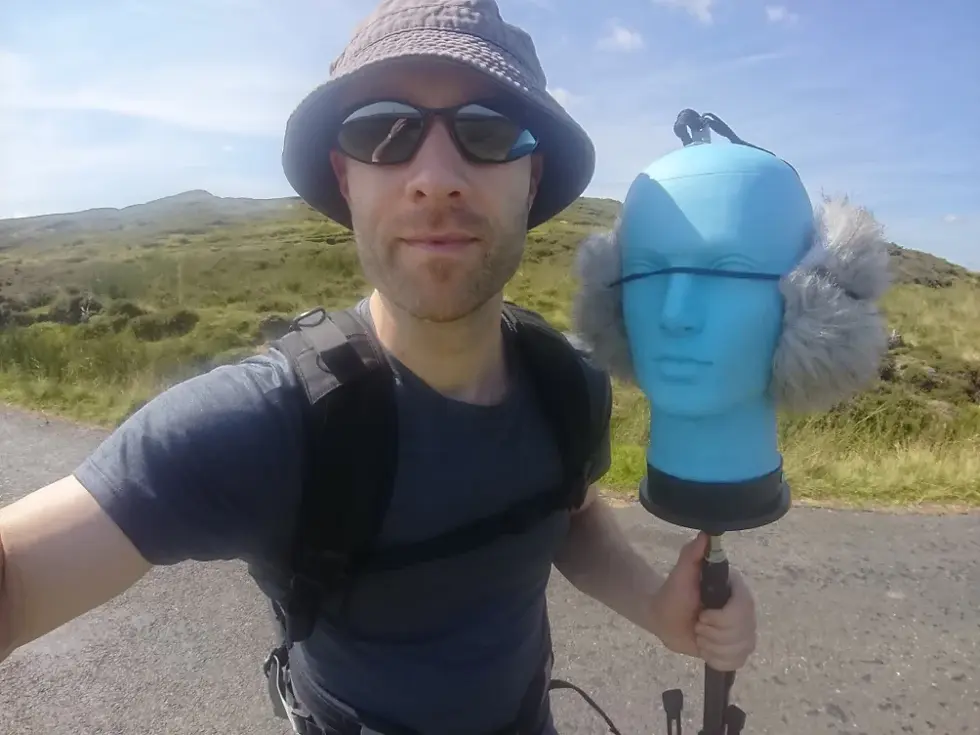
There are a few options for getting started with Binaural recording, some cheap and easy like the Ambeo from Sennheiser, some a little more involved/pricy, and some extremely costly. The idea of buying an off the peg solution did cross my mind, but after some research it seems unless you opt for the flagship offering from Neumann in the form of the KU100, the main cost appears to be going on someone else's time in making something i could do myself. Plus, one aspect i did not want to over look was the microphone technology used, and many ready made dummy recording heads seemed to cut the sale price by using lesser quality technology. All in all, i realised i could have more control over build, microphone technology, tweaking and future adaptations by going the full on DIY route. Here is an outline of how i did it.
Select the kit: dummy head, silicone ears, microphones, connectors, field stand, wind protection.
The Build

Cutting out the ear holes

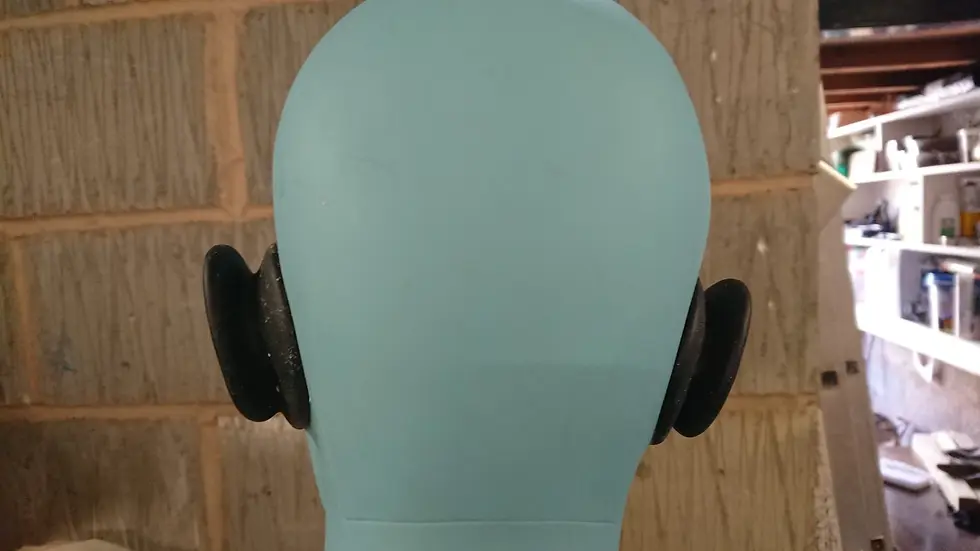
Shaping and fitting the new silicone ears Filing and cutting to get a good tight fit all around the ears

Fitting the microphones / choice of microphone, quality vs size vs durability and weather resistance: I chose small high quality microphones, the DPA 6060. These are only 3mm across, have an incredibly natural sound and have a omni directional pick up pattern.
Filling the hollow space, to prevent sound transmission inside the head: I filled the head cavity with dense deadening material to prevent the head becoming resonant hollow space and to reduce sound transmission between the two ears. -
Wiring it all up: keeping this simple, i drilled two small holes in the back of the neck for the two cables to feed through.
Testing, with / without wind protection, comparing alongside a Mid/Side mic setup

Making wind protection / ear muffs: i created two layers of wind protection for the ears. The first made from a basic wire cage covered with felt/fleece material, and for additional protection i made some fluffies from old Rycote fur to cover the fleece covers. All in all this gives me some options for the kind of weather conditions we can have in the UK from season to season.

Making a carry handle for transporting the head: this is basic but so so useful as a dummy head is quite an odd thing to carry about without a dedicated handle! This also doubles up as a cable holder to keep the cable neat and off the ground when not in use.
Next Steps
Now V1 Binaural recording head is functional i will spend some time testing it in a variety of locations and with a range of sound sources and reviewing the recordings in the studio.
What I want to achieve
The aim of using a binaural recoding system, as i have out lined in previous blog entries [link], is to achieve a way of capturing sound in more immersive ways, compared to more conventional stereo field recording, so as to place the listener within a natural or manmade sonic picture. When I am happy the system I am using is achieving this and representing sufficient feeling of space and perceivable directionality in the recordings, I will be able to confidently use the binaural recording head as a creative tool in my productions along side other methods of capturing sound and approaches to mixing and production of my work. This is the start of my journey, and there is a lot to soak up.